
8 Common Myths About Lab-Grown Diamonds, Debunked
Are lab-grown diamonds fake, cloudy or impossible to certify? Eight common myths checked against what is actually true.
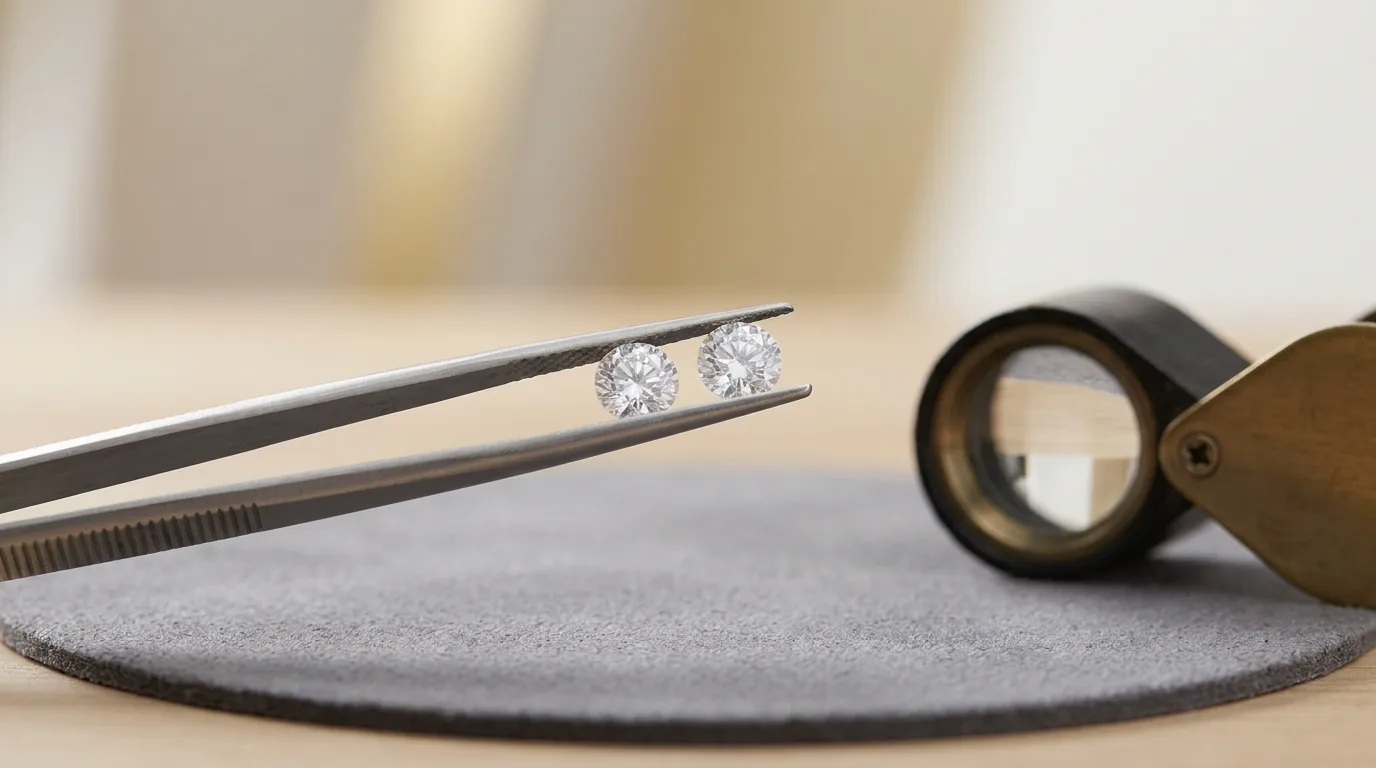
Lab-grown diamonds have gone from a curiosity to a mainstream choice in a short time, and the information around them has not kept up. Some of what people repeat is outdated, some confuses them with other stones, and some was simply never true.
Here are eight common lab-grown diamond myths, each checked against what is actually the case.
Quick answer: A lab-grown diamond is a real diamond. It has the same crystal structure, hardness, and optical behavior as a mined one. The differences are origin and price, and how each holds resale value.
Myth 1: Lab-grown diamonds are fake
Reality: They are diamonds. A lab-grown diamond is crystallized carbon with the same chemical composition and crystal structure as a mined diamond. The only difference is where the crystal formed: in a controlled environment over weeks, instead of underground over a very long time.
"Fake" correctly describes stones that only imitate a diamond's appearance, which leads to the next myth.
Myth 2: They are the same as cubic zirconia or moissanite
Reality: These are different materials. Cubic zirconia and moissanite are simulants: they resemble a diamond and are made of something else. They differ in hardness, in how they handle light, and in how they wear over years.
| Lab-grown diamond | Moissanite | Cubic zirconia | |
|---|---|---|---|
| Material | Carbon | Silicon carbide | Zirconium dioxide |
| Is it a diamond? | Yes | No | No |
| Hardness (Mohs) | 10 | About 9.25 | About 8 to 8.5 |
| Typical look over time | Unchanged | Stays bright | Can scratch and look dull |
Myth 3: You can see the difference
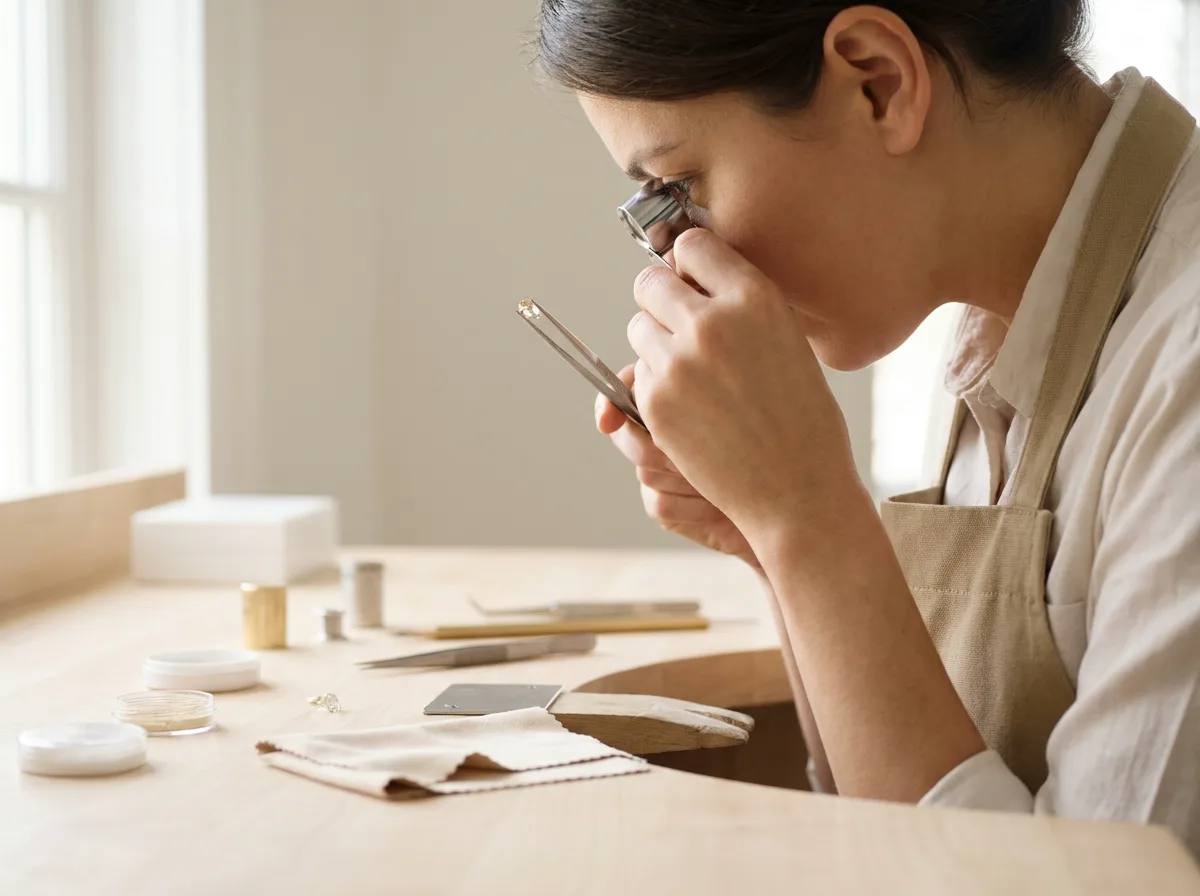
Reality: Not with the eye. A lab-grown diamond and a mined diamond of the same grades look the same, including under a jeweler's loupe. Telling them apart reliably requires specialized instruments that detect differences in how the crystals grew.
This is why lab-grown stones are disclosed and usually carry a laser inscription on the girdle identifying their origin. Our guide on how lab-grown and natural stones differ goes into more detail.
Myth 4: They get cloudy or lose their sparkle over time
Reality: A diamond does not fade, cloud, or change color with age, whichever way it formed. This myth usually comes from experiences with simulants, which can scratch and dull.
Any diamond will look dull when a film of oil, soap, or lotion builds up on it. That is a cleaning issue, and it is easy to fix. See how to clean and care for fine jewelry.
Myth 5: They are less durable
Reality: Hardness is a property of the material, and the material is the same. Lab-grown diamonds rate 10 on the Mohs scale, like mined ones, and are suitable for daily wear.
Hard does not mean indestructible. Any diamond can chip if struck sharply at a vulnerable point, such as the tip of a pear or marquise shape. That applies equally to both origins.
Myth 6: They are all flawless
Reality: Growing a crystal is not a perfectly controlled process. Lab-grown diamonds form with inclusions and color variations just as mined ones do, and they come in the full range of clarity and color grades.
This is why they are graded on the same scale. Two lab-grown stones of the same weight can differ considerably in quality and price. Understanding the 4Cs matters just as much when buying lab-grown.
Myth 7: They cannot be certified
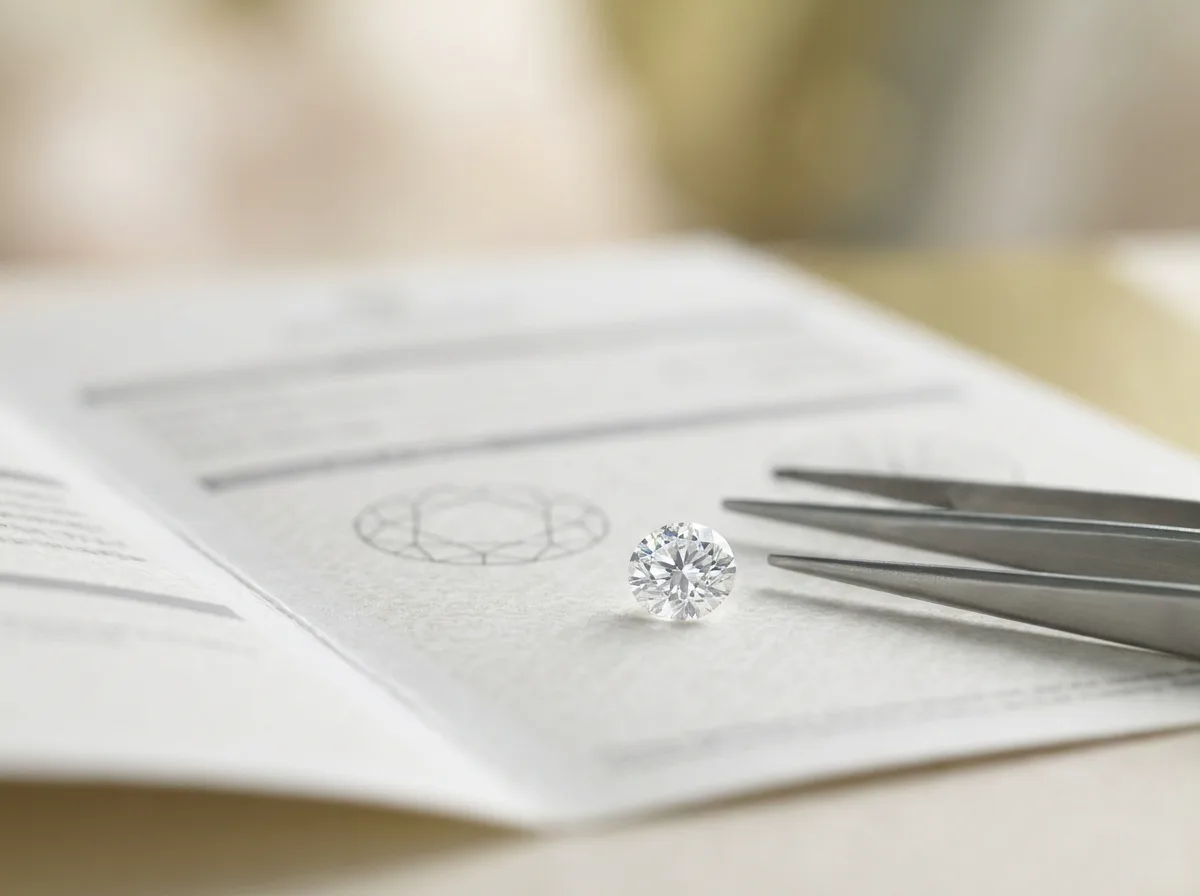
Reality: Lab-grown diamonds are graded by independent gemological laboratories using the same criteria of cut, color, clarity, and carat weight. The report states that the stone is laboratory-grown.
A grading report is the most useful document a buyer has. Our guide to reading a certificate explains what each section means.
Myth 8: They are a good financial investment (or a terrible purchase)
Reality: Both versions of this myth miss the point. Lab-grown diamonds generally cost less than mined ones of similar grades, and they typically hold less resale value. Neither kind of stone should be bought as a financial investment by an ordinary buyer.
The sensible way to think about it is as a purchase of something to wear and keep. On that measure, the value is in getting a larger or higher-quality stone for the same budget. We cover this honestly in is lab-grown diamond jewelry a good investment?
What Is Actually Different
Once the myths are cleared away, the real differences are few:
- Origin. One formed in the earth, the other in a controlled environment.
- Price. Lab-grown stones usually cost less for comparable grades.
- Resale value. Lab-grown stones typically retain less.
- Rarity and sentiment. Some people value the natural origin of a mined stone. That is a personal preference, and a legitimate one.
Everything else, including appearance, hardness, and grading, is shared.
How to Buy With Confidence
- Ask for the grading report. It should name the laboratory and state that the stone is laboratory-grown.
- Compare stones by their grades, not by weight alone. Cut has the largest effect on sparkle, as explained in what makes a diamond sparkle.
- Buy from someone who discloses origin clearly. Straightforward disclosure is a good sign about everything else.
- Decide what matters to you. Size, quality, budget, and origin are all reasonable priorities.
Frequently Asked Questions
Are lab-grown diamonds real diamonds?
Yes. They have the same chemical composition, crystal structure, and physical properties as mined diamonds. They differ in origin.
Can a jeweler tell if a diamond is lab-grown?
Not by looking. Identification requires specialized testing equipment, or reading the laser inscription and grading report that accompany a disclosed stone.
Do lab-grown diamonds pass a diamond tester?
Yes. Standard thermal testers measure a property that lab-grown and mined diamonds share, so both register as diamond.
Will a lab-grown diamond last forever?
It has the same hardness and stability as a mined diamond and will not fade or cloud. Like any diamond, it can chip from a hard impact and benefits from regular cleaning.
If You Find Yourself Explaining This to Friends
If you are the person others ask about jewelry, clearing up these myths is something you can already do well. CaratShelf lets you open a free branded storefront and share lab-grown diamond jewelry with the people who trust your advice.
CaratShelf is free to join and use. Registration is reviewed before a seller account is opened.