
How to Clean and Care for Fine Jewelry at Home
A safe at-home routine for cleaning diamonds, gold, and platinum, plus which stones need special handling and what to never put in an ultrasonic cleaner.
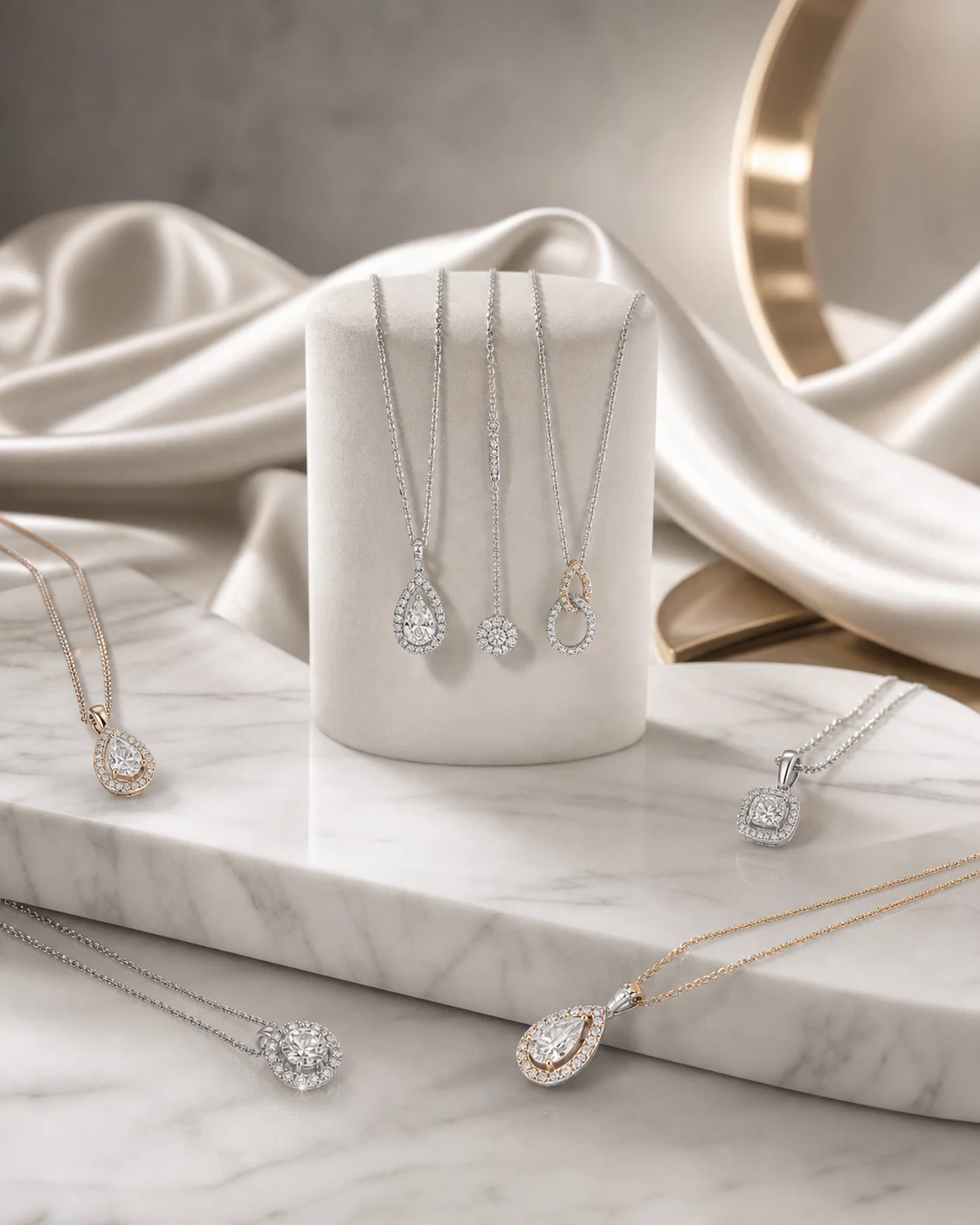
The most common reason a diamond stops sparkling has nothing to do with the diamond. It is a film of skin oil, lotion, and soap residue sitting on the surface, blocking light from getting in and coming back out.
The fix takes about five minutes and costs nothing. What matters is knowing which pieces can take that treatment and which ones need to be handled very differently, because the wrong method can permanently damage some gemstones.
Quick answer: For diamonds, gold, and platinum, soak in warm water with a few drops of mild dish soap, brush gently with a soft toothbrush, rinse, and dry with a lint-free cloth. Never use this on pearls or opals, and keep all jewelry away from chlorine and bleach. Store pieces separately so harder stones cannot scratch softer ones.
The Basic Method: Warm Water and Mild Soap
This works for diamonds, sapphires, rubies, and pieces made of gold or platinum.
- Fill a bowl with warm — not hot — water and add a few drops of mild dish soap.
- Let the piece soak for 15 to 20 minutes to loosen buildup.
- Brush gently with a soft-bristled toothbrush kept for this purpose. Pay attention to the underside of the stone, where oils accumulate most and where light enters and exits.
- Rinse thoroughly in clean water.
- Dry with a soft lint-free cloth and let it air-dry completely before storing.
One practical warning: do this in a bowl, not over an open sink drain. A surprising number of stones and rings are lost this way.
For most people, once every couple of weeks is enough to keep a daily-wear ring looking bright.
What Never to Use
Chlorine and bleach. Chlorine attacks the alloy metals in gold over time, and prolonged exposure can weaken the metal holding your stones in place. Take rings off before swimming in a chlorinated pool or using a hot tub, and before cleaning with bleach-based products.
Toothpaste. It is abrasive and will dull polished metal surfaces.
Harsh household cleaners. Ammonia-based and acidic cleaners can damage certain metals and treated gemstones.
Stiff brushes. Anything harder than a soft toothbrush will scratch metal.
Stones That Need Different Handling
Not every gemstone tolerates soaking, scrubbing, or ultrasonic cleaning. A few common ones require real care.
Pearls are soft and porous. They should never be soaked, brushed, or cleaned with any chemical. Wipe them with a soft, slightly damp cloth after wearing, and let them dry fully. Perfume, hairspray, and cosmetics dull their surface, which is why the old advice holds: pearls go on last and come off first. Strung pearls also need restringing periodically, since the thread weakens over time.
Opals are porous and sensitive to sudden temperature change and drying out. Avoid soaking them, avoid heat, and clean only with a barely damp soft cloth.
Emeralds are commonly treated with oil or resin to improve their appearance. Hot water, ultrasonic cleaning, and solvents can strip that treatment and change how the stone looks. Wipe gently with a soft damp cloth instead.
Any stone with visible fractures or large inclusions reaching the surface should be treated cautiously, since vibration or thermal shock can worsen an existing weakness.
If you are not certain what a stone is or how it was treated, the safe default is a soft damp cloth and nothing more.
About Ultrasonic Cleaners
Ultrasonic cleaners use high-frequency vibration to shake dirt loose, and they are genuinely effective for diamonds in sound settings.
They are also the fastest way to destroy the wrong piece. Do not use one on pearls, opals, emeralds, tanzanite, or any stone with fractures reaching the surface. Vibration can also loosen prongs that were already worn, meaning the cleaner does not damage the stone directly but leaves it ready to fall out.
If you have an older piece and you are not sure of the setting's condition, have it checked before putting it anywhere near an ultrasonic cleaner.
Storage: Keep Pieces Apart
Diamond is the hardest natural material, which means a loose diamond ring tossed into a drawer with other jewelry will scratch essentially everything it touches — including other diamonds.
Store pieces in separate compartments or individual soft pouches. Chains should be fastened before storing so they do not tangle, and sterling silver benefits from an airtight bag or an anti-tarnish strip, since tarnish is a reaction with air. If you are deciding between metals in the first place, see gold, platinum, or silver for how each one ages and what it needs.
When to Take Jewelry Off
The habits matter more than the cleaning routine. Remove rings before:
- Lifting weights or anything that puts pressure on the band, which can bend it out of round
- Swimming in chlorinated water
- Cleaning with chemical products
- Gardening or any manual work involving grit
- Applying lotion, sunscreen, or perfume
Get Settings Checked Periodically
Prongs wear down. It happens slowly, and it is not visible until a stone is already loose.
Have daily-wear pieces inspected by a jeweler roughly once a year. It is usually a quick check and it is the single most effective thing you can do to avoid losing a stone. Between visits, a simple test: hold the piece close to your ear and tap it gently. A faint rattle means a stone has movement it should not have, and the piece needs attention.
Frequently Asked Questions
How often should I clean my diamond ring?
For a ring worn daily, every couple of weeks keeps it consistently bright. Cleaning more often does no harm using the mild soap and water method.
Can I clean pearls with soap and water?
No. Pearls are soft and porous, and soaking or brushing damages them. Wipe them with a soft, slightly damp cloth after wearing, and let them dry fully before storing.
Is it safe to put my engagement ring in an ultrasonic cleaner?
For a diamond in a sound setting, generally yes. But ultrasonic cleaning can loosen already-worn prongs, and it must never be used on pearls, opals, emeralds, or stones with surface-reaching fractures. If the setting has not been checked recently, have it inspected first.
Why does my white gold ring look yellowish now?
Most white gold is rhodium-plated for a bright white finish, and that plating wears with time, revealing the warmer alloy underneath. A jeweler can replate it, typically every couple of years depending on wear.
Does chlorine really damage jewelry?
Yes. Chlorine attacks the alloy metals in gold, and repeated exposure can weaken the metal over time — including the prongs holding stones in place. Remove jewelry before swimming in chlorinated pools or using hot tubs.
If People Already Ask You for Jewelry Advice
Knowing how to care for a piece properly is the kind of practical knowledge that makes people trust your recommendations. If friends already come to you with jewelry questions, you can open a free CaratShelf storefront and share pieces with the people who value your opinion.
CaratShelf is free to join and use. Registration is reviewed before a seller account is opened.