
Gold, Platinum, or Silver: Which Metal Is Right for Your Jewelry?
Karat, color, durability, and upkeep all differ between gold, platinum, and silver. Here is how to pick the right metal for how you actually wear jewelry.
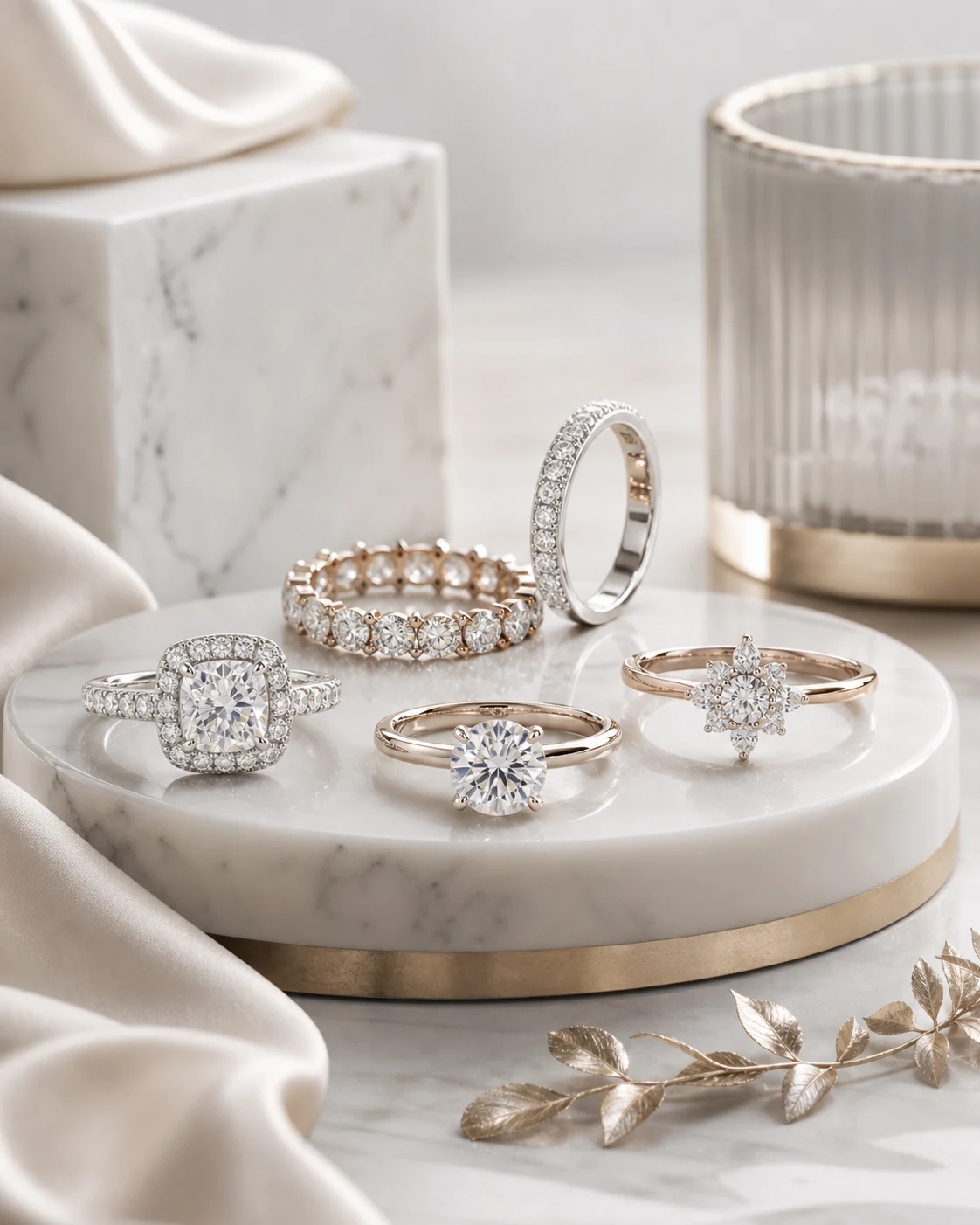
Most people choose a jewelry metal based on what looks right against their skin, which is a perfectly reasonable starting point. It just leaves out the half of the decision that determines how the piece will look in five years.
Metals differ in hardness, in how they age, in whether they need periodic maintenance, and in how they behave against sensitive skin. Here is what actually separates them.
Quick answer: Gold is sold by karat, which measures purity — 18k is 75% gold, 14k is about 58%, and lower karat means more durable but less pure. Platinum is naturally white, denser, and needs no replating, but develops a soft patina over time. Sterling silver is affordable and beautiful but soft and prone to tarnish, which makes it better suited to occasional wear than daily wear.
Gold: Karat Is Purity, Not Quality
Pure gold is 24 karat. It is also too soft for most jewelry — it bends, scratches, and loses its shape under normal wear. So gold used in jewelry is alloyed with other metals for strength.
- 18k gold is 75% gold. Richer color, higher intrinsic value, slightly softer.
- 14k gold is about 58% gold. More durable and more affordable, with a slightly lighter color.
- 10k gold is about 42% gold. The most durable and least expensive, with the palest color.
Higher karat is not "better" in every sense. It is purer and more valuable, but also softer. For a ring worn every day and knocked against desks and door handles, 14k often outperforms 18k in practice.
Gold color comes from the alloy
The metals mixed with gold determine its color, not a coating.
Yellow gold is alloyed with copper and silver, keeping the traditional warm tone.
Rose gold contains a higher proportion of copper, which produces the pink hue. The copper also makes it slightly harder than yellow gold of the same karat.
White gold is alloyed with white metals such as palladium or nickel. Here is the part people are often not told at purchase: most white gold is finished with a thin rhodium plating to give it a bright, cool white surface. That plating wears with time, and the piece gradually shows the warmer tone of the underlying alloy. Restoring it means having the piece replated, typically every couple of years depending on wear.
This is not a defect — it is how white gold works. But it is a recurring maintenance cost worth knowing about before you choose it.
Platinum: Dense, Naturally White, Low Maintenance
Platinum jewelry is typically around 95% pure platinum, far higher purity than gold jewelry of any karat.
It is naturally white all the way through, so it never needs replating and never shifts toward a warmer tone. It is also noticeably denser than gold — a platinum ring feels heavier in the hand than a gold ring of the same size, which some people love and others do not.
Platinum's most distinctive behavior is how it handles scratches. When gold is scratched, a small amount of metal is removed. When platinum is scratched, the metal is mostly displaced rather than lost, building up over time into a soft matte surface called a patina. Some owners prefer this aged look; others have the piece polished periodically to restore the original shine.
Platinum is also a good choice for people with metal sensitivities, since it contains few of the alloying metals that commonly cause reactions.
Sterling Silver: Beautiful, Affordable, Higher Maintenance
Sterling silver is 92.5% silver, usually marked "925." It is significantly less expensive than gold or platinum, and it has a bright, cool tone that suits many designs.
Its two limitations are real. Silver is soft, so it scratches and deforms more easily than gold or platinum. And it tarnishes — reacting with sulfur compounds in air to form a dark surface layer. Tarnish is removable with a polishing cloth and does not damage the metal, but it returns.
For these reasons, sterling silver is generally better suited to fashion pieces and occasional wear than to a ring worn every day for decades, and it is rarely used to set significant diamonds. Whatever metal you choose, see how to clean and care for fine jewelry for keeping it looking right.
If You Have Sensitive Skin
Reactions to jewelry are most often caused by nickel, which appears in some white gold alloys and in many inexpensive pieces.
If you have reacted to jewelry before, platinum is the safest option, followed by palladium-alloyed white gold and higher-karat yellow gold, which contains proportionally less alloy metal.
Matching Metal to How You Actually Wear It
For a piece worn every day, prioritize durability: 14k gold or platinum.
If you never want to think about maintenance, platinum needs no replating, though it will develop a patina.
If you want the brightest white at the lowest cost, white gold delivers it, provided you accept periodic replating.
If you are buying for occasional wear or experimenting with a style, sterling silver lets you do that affordably.
If you are setting a diamond, one practical note: a slightly warmer diamond color grade often looks perfectly white in yellow or rose gold, because the surrounding metal is warm too. In platinum or white gold, there is nothing to disguise a warmer tint. Choosing metal and stone together can save money — see the 4Cs explained for more on color grades, or how to choose an engagement ring if that is what you are shopping for.
Frequently Asked Questions
Is 18k gold better than 14k?
It is purer and more valuable, but softer. For jewelry worn daily, 14k is often the more practical choice because it resists scratching and bending better. For occasional wear, 18k offers richer color and higher gold content.
Does white gold need to be replated?
Usually yes. Most white gold is rhodium-plated for a bright white finish, and that plating wears over time, revealing a warmer tone underneath. Replating every couple of years is typical, depending on how often the piece is worn.
Why does platinum cost more than gold for the same ring?
Platinum jewelry is much higher purity than gold jewelry, platinum is denser so a ring requires more metal by weight, and it is more demanding to work with. Relative pricing also shifts with market conditions for both metals.
Does platinum scratch?
Yes, but differently. Scratches displace platinum rather than removing it, which builds into a soft matte patina over time. The piece can be polished back to a bright finish whenever the owner prefers.
Can I wear sterling silver every day?
You can, but it is softer than gold or platinum and will show wear faster, and it tarnishes and needs periodic polishing. For daily-wear pieces meant to last decades, gold or platinum is the more durable choice.
If You Find Yourself Explaining This to Friends
Knowing why one metal suits someone's lifestyle better than another is genuinely useful advice, and it is the kind people remember. If friends already ask you what to buy, you can open a free CaratShelf storefront and share pieces with the people who trust your recommendations.
CaratShelf is free to join and use. Registration is reviewed before a seller account is opened.